What Does Boron Do for Humans?
Author: BoronHub Expert Technical Team Official Website: boronvertex.com Published: October 2026
Disclaimer: This article serves for educational and product-knowledge purposes only. It does not replace diagnosis or advice from physicians, pharmacists or other licensed medical professionals. Pregnant or lactating women, children, people with kidney disorders, and individuals under medication should consult qualified healthcare providers before taking any boron containing dietary supplements.
Introduction
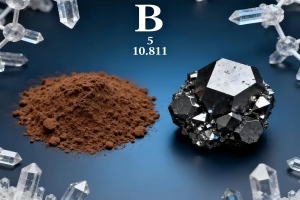
Boron is a naturally-occurring trace element found in soil, plants, drinking water and numerous plant-based foods. For industry, high-purity boron powder, boron carbide and metallic borides are critical advanced-manufacturing materials for semiconductors, nuclear-industry hardware and aerospace systems. From a biological-health perspective, the physiological effects of dietary boron have drawn growing research attention.
Nevertheless, “natural” does not equal unlimited-safe-to-use. Boron safety is closely tied to its chemical form, intake dosage, exposure duration and individual physical conditions. This article addresses three core questions: who should avoid boron supplements, which foods are high in boron, and what potential side effects boron may bring.
1. Who should not take boron?
For most healthy adults, boron intake from regular daily diets stays at relatively low levels. Concentrated boron supplements are not suitable for all population groups.
1.1 Pregnant and Lactating Women
High-quality human clinical research on boron-supplement use during pregnancy and lactation remains limited. Several animal studies indicate that high-level boron exposure may correlate with reproductive and embryonic-development outcomes. Given insufficient safety evidence, self-administered boron supplementation is not recommended for pregnant or breastfeeding individuals unless explicitly advised by a medical practitioner.
1.2 Children and Adolescents
Children and teenagers shall not take boron supplements without professional medical guidance. Minors are undergoing growth and development; their trace-element requirements and tolerance thresholds differ significantly from adults. Germany’s Federal Institute for Risk Assessment (BfR) recommends labelling boron-containing dietary supplements with the warning “Not suitable for children and adolescents”. The European Medicines Agency also advises against boron-based pharmaceutical products for children under 12 years old, due to potential impacts on future fertility.
Important Reminder: Borax, boric acid and industrial-/cleaning-grade boron-bearing compounds must never be ingested.
1.3 Individuals with Impaired Renal / Kidney Diseases
Kidneys metabolise and excrete various metabolites and exogenous substances. Deteriorated kidney function weakens the body’s capability to process and eliminate boron, raising risks of in-vivo boron accumulation. Please consult a physician prior to boron-supplement use if you fall into any group below: - Patients with chronic kidney disease - Persons with reduced kidney function - Individuals with past-medical-history of kidney illness - Patients receiving dialysis therapy - Persons on medications that affect renal performance
1.4 Persons with Hormone-Sensitive Conditions
Research suggests boron may modulate metabolism or biological activity of certain steroid hormones including estrogen and testosterone. Although relevant evidence is still evolving, people suffering from hormone-sensitive illnesses should exercise caution with boron supplements. Relevant populations may cover: - Patients with medical history of hormone-sensitive tumours - Endometriosis sufferers - Uterine fibroid patients - Individuals with prostate-related disorders - Other groups susceptible to hormonal fluctuations
1.5 People on Prescription Drugs or Multiple Nutritional Supplements
Research regarding boron-drug interactions remains limited, yet boron participates in mineral and hormonal metabolic pathways. If you are taking prescription medicines or multiple health supplements, consult your doctor or pharmacist before boron supplementation. Special attention applies for: - Users of hormone-related pharmaceuticals - Patients receiving osteoporosis treatments - People taking vitamin D, calcium, magnesium or zinc supplements - Individuals on kidney-targeted medications - Users combining multiple nutritional supplements
1.6 Boron-Allergic Individuals
Avoid boron products if you are allergic to boron or any supplement formulation ingredients. Allergic manifestations may include dyspnoea, wheezing, tachycardia, fever, pruritus, skin rash, urticaria, nausea or vomiting.
2. What food are high in boron?
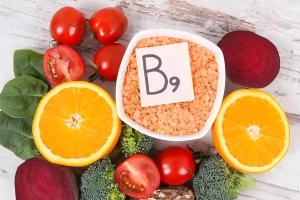
Boron is predominantly present within plant-sourced foods. Boron concentration varies greatly subject to soil composition, growing environment, plant cultivar, ripeness and food-processing methods, so boron content fluctuates even for identical food types.
2.1 Dried Fruits
Dried fruits constitute key dietary-boron sources. Dehydration concentrates mineral contents. Representative items: - Prunes / Dried plums - Raisins - Dried apricots - Dates - Dried peaches - Dried figs
Note: Dried fruits contain high natural sugar and calorie levels; control portion size during consumption.
2.2 Nuts and Seeds
Many nuts and seeds deliver boron alongside healthy lipids, plant protein, dietary fibre, magnesium and other minerals. Common selections: - Almonds - Peanuts - Hazelnuts - Walnuts - Pecans - Cashews - Peanut butter and other nut-based spreads
2.3 Legumes & Legume-Derived Products
Legumes serve as regular dietary-boron sources while supplying protein, dietary fibre, folate and diverse minerals: - Chickpeas - Lentils - Black beans - Red kidney beans - Soybeans - Green peas - Tofu and other soybean-processed foods
2.4 Avocado
Avocado supplies beneficial monounsaturated fats, dietary fibre, potassium plus natural boron; it counts as nutrient-dense plant-based food.
2.5 Fresh Fruits
Multiple fresh fruits contain measurable boron quantities: - Apples - Pears - Peaches - Grapes - Oranges - Plums - Citrus-family fruits
2.6 Vegetables
Vegetable-borne boron levels heavily depend on soil and cultivation circumstances: - Dark-green leafy vegetables - Broccoli - Carrots - Potatoes - Tomatoes - Beets - Celery
2.7 Wine & Other Plant-Derived Beverages
Grapevines absorb boron from soil; hence wine contains certain boron concentrations. Alcoholic beverages shall not be regarded as healthy boron intake avenues. Do not consume wine for boron supplementation purposes.
Which food delivers the highest boron content?
No single food consistently ranks as “highest-boron”. Dried fruits, nuts, legumes, avocados plus selected fruits and vegetables represent mainstream dietary-boron origins. For most people, diversified plant-heavy diets outperform high-dosage supplements.
Reference boron concentrations in selected foods (μg boron per gram of edible food):
| Food Item | Boron Content (μg/g) |
| Raw avocado | ~14.3 |
| Peanut butter | ~5.87 |
| Salt-roasted peanuts | ~5.83 |
| Bottled prune juice | ~5.64 |
| Raisins | ~22 |
| Dried prunes | 20-30 |
Data source: USDA (United States Department of Agriculture), NIH Office of Dietary Supplements. Dried shiitake mushroom boron level can reach 1 800 2 300 μg/kg; peanuts up to 26 000 μg/kg; peanut butter up to 22 000 μg/kg.
3. What are the bad side effects of boron?
Boron concentrations from ordinary food intake remain low; adverse clinical symptoms seldom occur for healthy populations via regular meals. Hazards are mostly associated with high dose supplementation, long-term excessive ingestion or accidental consumption of non-ood-grade boron-containing compounds.
3.1 Short-Term Discomfort from Over-Exposure
Excessive boron ingestion or individual hypersensitivity may trigger symptoms below: - Nausea - Vomiting - Diarrhoea - Abdominal distress - Headache - Dizziness - Fatigue - Skin irritation or rash
Symptom severity varies with ingested dosage, boron chemical form and personal susceptibility.
3.2 Long-Term Over-Exposure Risks
Human long-term high-dosage boron-intake research remains incomplete. Excessive boron exposure may create health risks, especially concerning reproductive function, developmental biology and hormone-related metabolic pathways. Long-term excess exposure may involve: - Reproductive-system impacts - Developmental hazards during gestation - Altered hormone metabolism - Increased renal burden or kidney-related complications - Poisoning caused by non-food-grade boron-bearing chemicals
Critical distinction: Natural boron inside edible food differs significantly from industrial boron-based chemicals. Dangers correlate with high dosage, incorrect chemical species and improper handling.
3.3 What Happens If You Take Boron Every Day?
Within safe, moderate intake ranges (typical adult combined dietary-plus-supplement recommended intake: 3 mg-20 mg per day), proper daily boron intake helps sustain bodily mineral homeostasis without toxicity. Excessive ingestion, especially accompanied by compromised kidney excretion capability, may cause boron bioaccumulation. Acute over dosage symptoms include nausea, vomiting, dyspepsia, diarrhoea, skin rash and lethargy. Chronic supra-threshold exposure may negatively influence reproductive health.
Tolerable Upper Intake Level (total from all sources):
| Age Group | Tolerable Upper Intake |
| Adults | 20 mg/day |
| 1-3 years | 3 mg/day |
| 4-8 years | 6 mg/day |
| 9-13 years | 11 mg/day |
| 14-18 years | 17 mg/day |
3.4 First-Aid Guidance for Accidental Ingestion of Large-Dose / Industrial-Grade Boron Products
Seek urgent medical assistance or contact your local poison control centre upon accidental swallowing of borax, boric acid, industrial boron based chemicals or massive boron-supplement doses. Without professional instruction: - Do not induce vomiting manually -Do not consume further nutritional supplements - Preserve product packaging and ingredient labels - Document estimated ingestion time and approximate dosage - Promptly contact physicians or emergency-response services
Product packaging and chemical-composition records assist medical staff in risk assessment and intervention execution.

4. Differences Between Food-Sourced Boron and Boron Supplements
Most healthy adults obtain certain boron quantities through everyday diets. Fruits, vegetables, nuts, seeds and legumes deliver natural boron alongside dietary fibre, vitamins, minerals and plant polyphenols.
Boron dietary supplements represent concentrated formulations. The necessity for supplementation should be judged case-by-case. Consider these questions before starting boron supplements:
4.1 What exact purpose drives boron intake?
4.2 Does your regular diet already contain abundant plant-based food?
4.3 What chemical form of boron does the supplement contain?
4.4 What is the daily-dosage specification?
4.5 Do you suffer from kidney disorders, hormone-related illnesses or other chronic diseases?
4.6 Are you using prescription medicines or other nutritional supplements?
4.7 Have you consulted physicians or pharmacists?
5. Frequently Asked Questions About Boron
Q1: Can people obtain sufficient boron merely from food?
Many people acquire natural boron from fruits, vegetables, nuts, seeds, legumes and dried fruits. Actual intake varies with dietary structure, food origins and cultivation conditions. Diversified plant-focused diets constitute reasonable approaches for acquiring dietary boron.
Q2: Is boron identical to borax?
No. Boron denotes a chemical element; borax and boric acid are specific boron containing compounds. Cleaning, insecticide, agricultural or industrial-purpose boron-based goods must never be consumed as dietary supplements.

Q3: Does boron benefit bone health?
Existing research indicates boron interacts with calcium, magnesium, vitamin D plus partial-hormone metabolic pathways, drawing attention within bone-health research. Still, boron cannot replace standard medical treatments prescribed by clinicians for osteoporosis or skeletal disorders. Additional high-quality human clinical trials are required to fully validate its physiological effects.
Q4: Will boron supplements affect human hormones?
Boron may interfere with selected hormone-linked metabolic pathways; individual responses differ. If you suffer hormone-sensitive conditions, take hormone-related pharmaceuticals or show high susceptibility to hormonal shifts, seek professional healthcare consultation prior to boron-supplement adoption.
Q5: Can boron be taken every single day?
Suitability for daily boron consumption depends on product dosage, dietary boron contribution, intake objectives, personal health conditions and exposure duration. Long-term high-dosage boron-supplement consumption without professional guidance is discouraged.
Conclusion: Understand Boron Properly — Emphasise Dosage and Product Grade
Boron is a trace element naturally occurring inside plant-derived foods; major dietary-boron reservoirs include dried fruits, nuts, seeds, legumes, avocados, fruits and vegetables. For most healthy adults, acquiring natural boron from balanced diets is generally more prudent than blindly adopting high-concentration supplements.
Pregnant / lactating women, minors, kidney-disease patients, hormone-sensitive-condition sufferers and persons under medication should consult qualified professionals before using boron-containing products.
Bear these critical points in mind: - Never ingest borax, industrial grade boric acid or other non-food grade boron-bearing compounds - Select food-grade goods with clearly-labelled composition, dosage and intended usage - Follow label specifications; avoid arbitrarily raising dosages - Pay attention to product quality-testing and manufacturing documentation - Seek timely medical support upon physical discomfort or accidental ingestion
BoronHub Product Notice: BoronHub Solutions Limited (boronvertex.com) supplies industrial-grade high-purity boron-series materials, including crystalline boron, amorphous boron, boron isotopes, boron nitride, boron carbide and diverse metallic borides. Our products serve semiconductors, nuclear-industry projects, aerospace, new-energy and other advanced-manufacturing sectors. Our industrial-grade boron materials are NOT for human ingestion or dietary-supplement applications. Contact our technical team for inquiries on industrial-spec boron-material customisation and procurement.